The Full Story
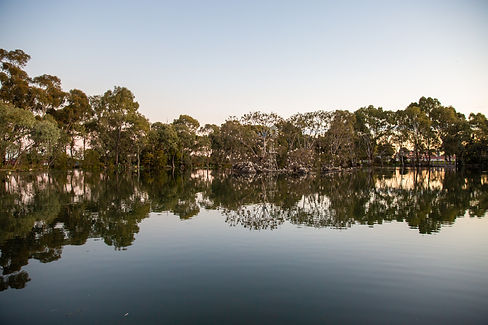
Peter Hopper Lake
UPDATE: THIS PROJECT HAS BEEN REJECTED DUE TO UPCOMING WORKS AT PETER HOPPER LAKE. THE TRIAL IS NOW TAKING PLACE AT JANEFIELD WETLANDS WITH THE HOPE TO IMPLEMENT FLOATING STRUCTURES AT PETER HOPPER IN THE FUTURE.
The Problem
This once beautiful lake is currently experiencing ongoing issues of blue green algae outbreaks, cases of botulinum and masses of bird deaths.
Some of these issues have been caused by an over populated ibis colony as well as oil & chemical run offs from the roads and sporting ovals.
Thanks to a large community group supporting its rehabilitation, the federal government has pledged 2 million dollars of funding to help restore this lake.
Whilst this lake has funding, work will not commence until early 2024 leaving our birds still at risk of illness and death.
Our Mission
Our mission is to run a citizen science project to create floating habitats for the birds and other wildlife take refuge.
Information already gathered from community monitoring shows that the birdlife in this lake are desperate for nesting spaces due to a lack of appropriate vegetation and intervention is required.

Vision
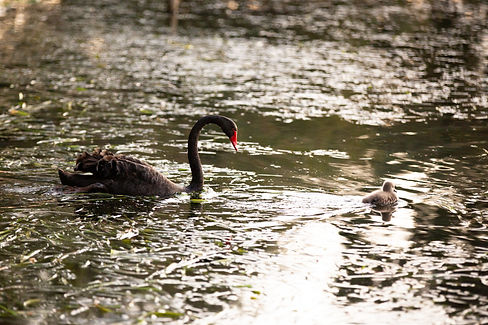
Conservation Victoria is working with local scientists and have designed a series of floating wetlands which will provide a food source as well as habitat for the desperate wildlife.
Has this been done before?
Whilst floating wetlands have been trialed at Janefield Wetlands and have proven to be a huge success, it took over 12 months to get the data to understand the impact these islands would have.
After monitoring that location our team have assessed what could have been improved in the original design and have therefore designed new floating islands that may be more accomodating to our wildlife.

Photo by Eddie Pang

Why Peter Hopper Lake?
The location of Peter Hopper lake was decided because it would make the biggest impact on our wildlife immediately as opposed to other locations.
The birds at Peter Hopper lake are so desperate for nesting spaces that the community have had to intervene by creating stick islands for the birds.
Within hours of creating an island the birds were already constructing their nests. At any other location, it would take months to have any real data on how an island would be used.
How will this study work?
A series of floating island designs will be placed around Peter Hopper lake. Each design will be of different materials and sizes to accommodate different species of birds.
We have a team of bird enthusiasts and local scientists that will monitor these islands daily and document how the wildlife interacts with these islands.
The research we gather from this study can then be used in a broader scale to help local parks and wetlands across the country provide suitable habitat for our wetland creatures.
